



2026
Publication
Research Team
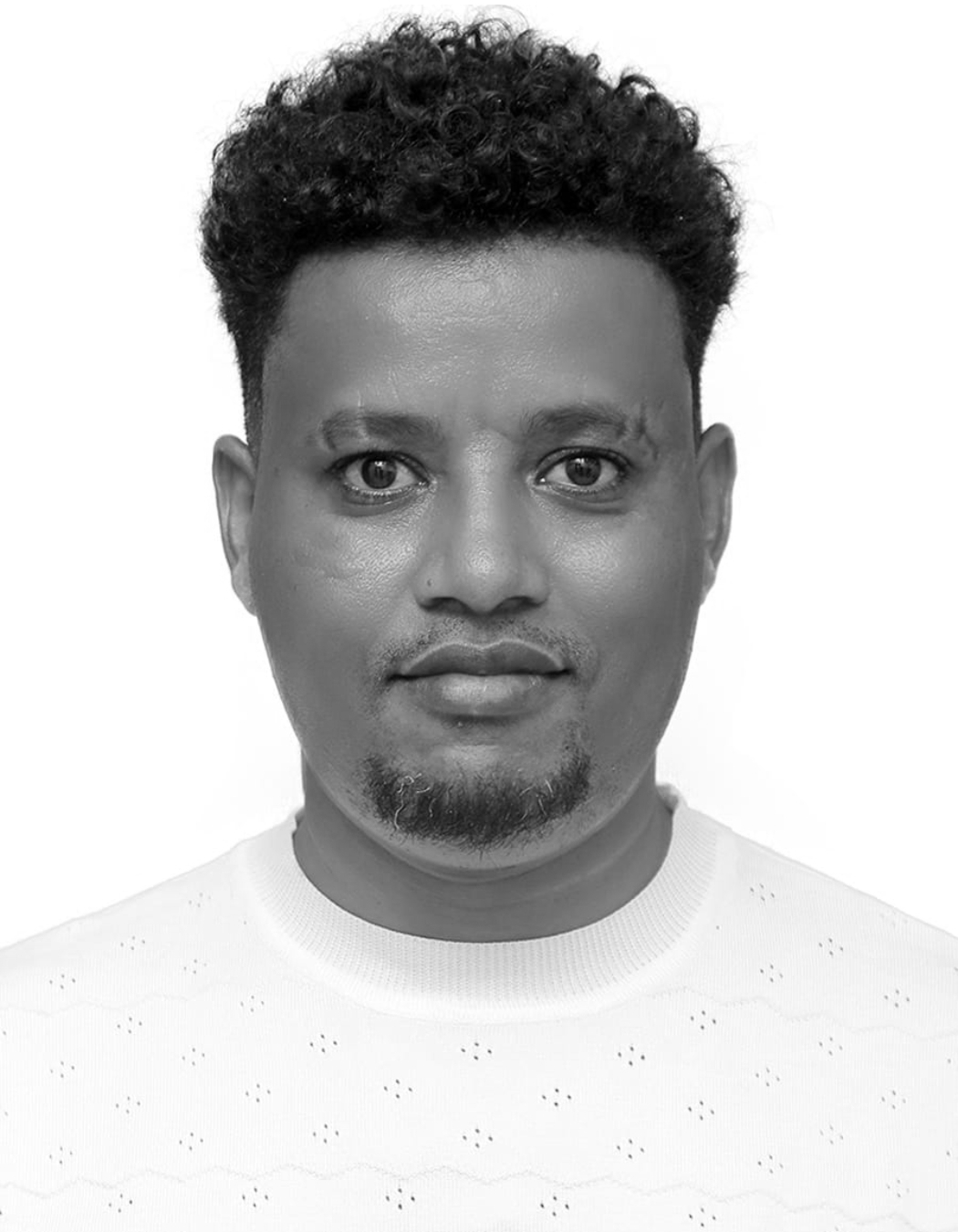
Atakilti Brhanu Kiros, M.Sc.
- Ph.D. Student
- Ariel University
About
Research Focus
Atakilti Brhanu Kiros is a PhD researcher in Civil Engineering at Ariel University, specialising in GeoAI, geospatial data science, and intelligent mobility systems. His research examines how multimodal urban data, machine learning, Earth observation, and urban digital twins can support pedestrian-mobility forecasting, accessibility analysis, and evidence-based urban planning. Atakilti contributes to the METROPOLIS Urban Digital Twin project at the Architectural Artificial Intelligence Research Lab.
Current Work
His doctoral research focuses on developing transferable and explainable GeoAI models to predict pedestrian activity across cities with diverse urban structures, climates, sensor networks, and levels of data availability. His work integrates pedestrian sensor observations with urban morphology, transportation networks, accessibility, socioeconomic indicators, weather, remote sensing, and other geospatial information. His work also explores scenario-based pedestrian forecasting under urban growth and climate change conditions, as well as the development of interpretable digital tools for researchers, urban planners, municipalities, and decision-makers.
Background
Before beginning his doctoral studies, Atakilti worked as a lecturer, researcher, and academic leader in computer science and information technology in Mekelle University, Ethiopia.
Interests
His broader interests include spatiotemporal machine learning, explainable AI, multimodal geospatial data fusion, inclusive mobility, and responsible urban artificial intelligence.
Projects
Education
- M.Sc. Mekelle University Nov 2013 – Apr 2016
- B.Ed. Mekelle University Nov 2006 – Jul 2009
Employment
- PhD Student Ariel University Oct 2025 – Present
- Lecturer Mekelle University Nov 2012 – Present
Papers
Other Publications
2026
Publication
GeoAI and Multimodal Geospatial Data Fusion for Inclusive Urban Mobility: Methods, Applications, and Future Directions
2026
Publication
GeoAI and Multimodal Geospatial Data Fusion for Inclusive Urban Mobility: Methods, Applications, and Future Directions
2025
Publication
Integration of Predictive Data Mining Models and Knowledge Base System for Tax Fraud Detection: A Case Study of the Tigray Revenue Development Authority
2024
Publication
Cloud-based Machine Learning Adoption Model for Higher Education Institutions
2021
Publication
Tigrigna language spellchecker and correction system for mobile phone devices
Show 1 more
2015
Publication
Conceptual Framework to Adopt Cloud Based M-Learning for Higher Education Institutions: Ethiopian Perspective

Want to solve real urban problems with AI?
We welcome applications from researchers, designers, and practitioners from diverse disciplinary backgrounds. If you are interested in contributing to research at the intersection of AI, design, and urban studies, we encourage you to apply and join our team.
